Doctoral Thesis
How George’s Thesis Led to The AT Innovation Wiki
Building a global platform from African research insights
The Foundation
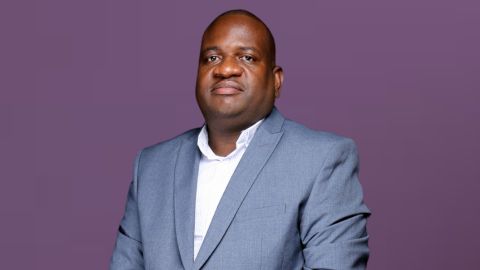
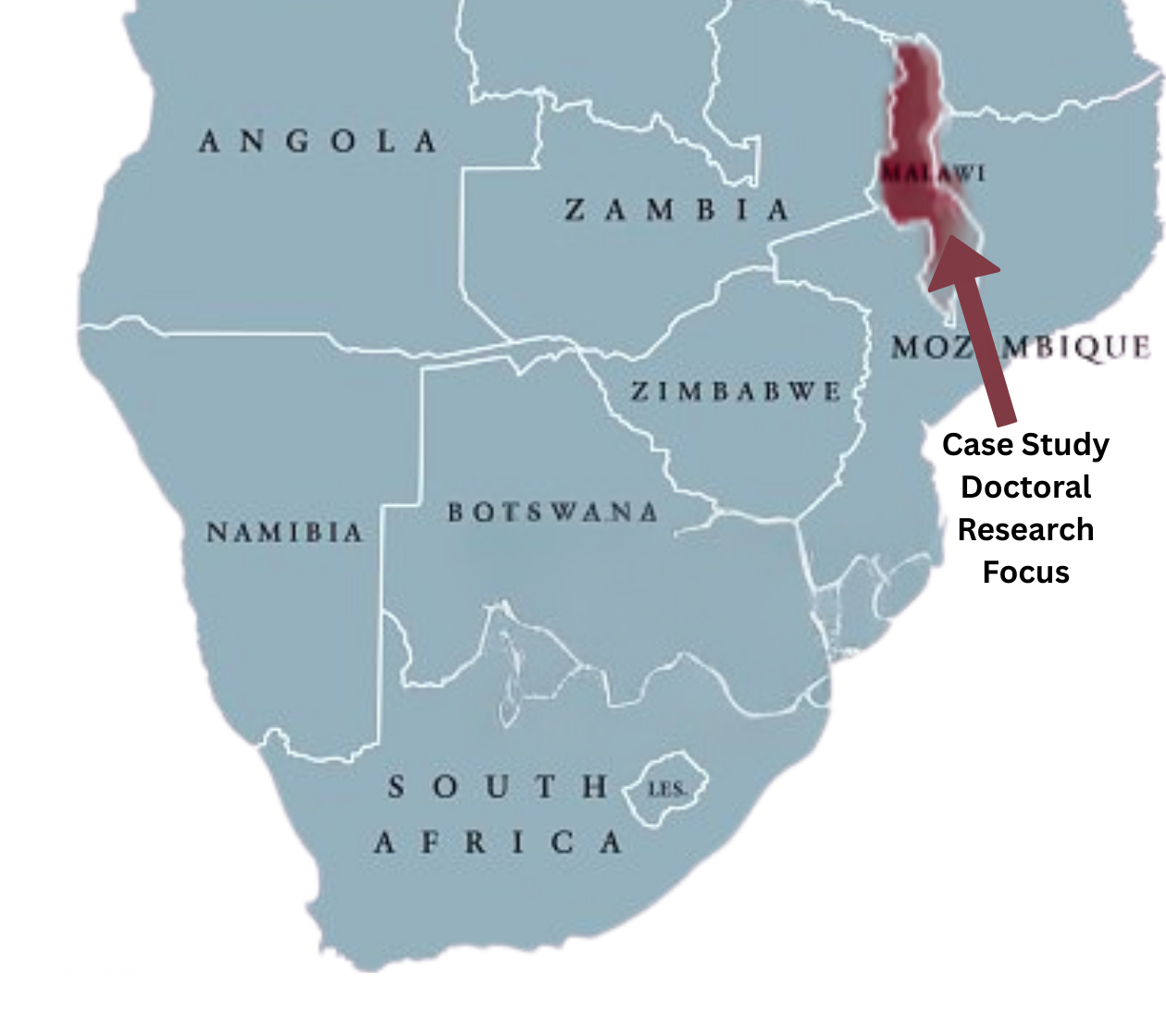
George Mwika Kayange did his PhD at Loughborough University London from October 2022 to November 2025. He studied assistive technology innovation ecosystems in Southern Africa. His focus was on Malawi.
His thesis, “Investigating Assistive Technology Ecosystems in Southern Africa: Lessons from Malawi”, became the foundation for this AT Innovation Wiki. The research examined how AT innovation ecosystems function in resource-constrained settings.
George’s research findings and insights inspired him to build this platform. It now shares knowledge about AT systems worldwide.
George’s Profile
- George holds an MBA in Project Management from the University of Zambia.
- He has a Bachelor of Science in Project Management from Institute of Development Management (IDM) in Botswana.
- His PhD builds on work from his time as Director of Programmes at Southern Africa Federation of the Disabled (SAFOD).
- He designed programs for persons with disabilities across the SADC region.
Key Experience
- George managed the AT Information Mapping Project (AT-Info-Map) for over seven years.
- Google Impact Challenge funded this work.
- The project developed a mobile app and web database.
- It mapped AT availability in Southern Africa.
- From June 2023 to May 2025, George served on the Advisory Technical Group of the ATscale Global Partnership.
Recognition
- George received a Commonwealth PhD Scholarship from the Commonwealth Scholarship Commission in the UK.
- The Commission provided full funding for his studies.
- As a Project Management Institute (PMI) certified professional, George holds PMP®, PMI ACP®, and CAPM® credentials.
- He mentors aspiring and mid-career project managers within small non-profits working especially in sub-Sahara Africa.
PhD Research Overview
The research addresses the gap between policy frameworks and real-world AT access. It examines Malawi’s AT ecosystem across three areas.
The three research areas were:
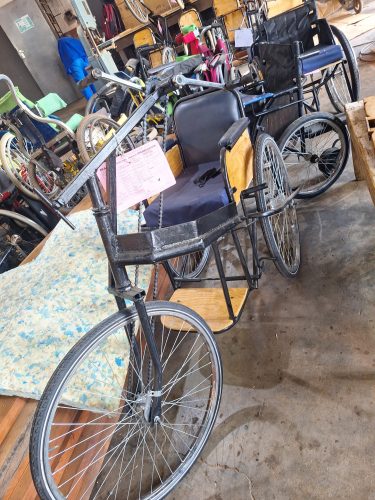
• Mobility assistive products.
• Skincare products for persons with albinism.
• Digital assistive technologies.
The thesis combines several frameworks. These include Innovation Ecosystem Theory, Open Innovation, Multilevel Modelling, Community Organising, Frugal Innovation, and Systems Thinking.
The study found common challenges across all sectors. These include resource constraints, knowledge gaps, and infrastructure barriers. Policy often disconnects from implementation.
🎯 Key Research Contribution
George’s doctoral research produced a major contribution to AT ecosystem development theory. He created the Conceptual Model for AT Innovation Ecosystem Development.
This model shows how AT innovation ecosystems can work in resource-constrained environments. It challenges traditional theories developed in wealthy countries.
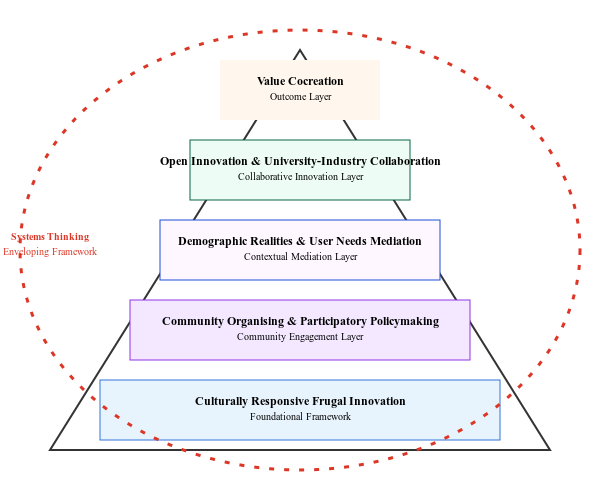
The model has five core components:
• Cultural Foundation: AT innovation must respect local values and practices. It builds on Ubuntu principles and community wisdom.
• Frugal Innovation: Resource constraints drive creative solutions. Local materials and adaptive strategies enable innovation.
• Community Organizing: Grassroots groups drive change through collective action. Democratic structures ensure user voices shape solutions.
• Multi-level Processes: Innovation happens at individual, organizational, and system levels. All three must work together.
• Value Co-creation: Success means improving lives, building local capacity, and creating social value across the ecosystem.
💡 Resilient Innovation Ecosystems
George’s research extends innovation ecosystem theory by identifying resilient innovation ecosystems. These are systems that function effectively under persistent resource constraints.
Traditional innovation theories assume minimum resource thresholds. They expect wealthy institutions, stable infrastructure, and abundant funding. George’s work shows these assumptions are wrong.
Resilient ecosystems thrive through three adaptive mechanisms:
• Multi-functional anchoring: Single organizations perform multiple roles that specialized actors handle in wealthy contexts.
• Informal coordination: Relationship-based governance replaces formal institutions that don’t exist.
• Distributed innovation capacity: Innovation emerges from many actors working together rather than central control.
This concept reveals how Southern African AT ecosystems succeed despite severe constraints. Resource scarcity becomes a driver of innovation rather than a barrier.
Why This Matters for Southern Africa:
Southern Africa faces severe resource constraints. Traditional AT approaches assume wealthy institutions and stable infrastructure. These don’t exist in most African contexts.
George’s model shows how ecosystems can thrive despite scarcity. It reveals three key insights. First, resource limits spark innovation rather than prevent it. Second, informal networks and relationships replace formal institutions. Third, cultural adaptation determines success or failure.
The model emerged from studying real organizations in Malawi. It reflects how communities actually solve problems. It honors African approaches to innovation and development.
This framework now guides AT ecosystem development across resource-constrained settings. It provides a roadmap for policymakers, practitioners, and communities building sustainable AT systems.
Key Recommendations
The thesis proposes several solutions:
• Create a national AT policy coordination unit.
• Use standardized rapid AT Assessment (rATA).
• Set up an innovation fund for local production.
• Invest in rural digital infrastructure.
These proposals build on Malawi’s 2024 Persons with Disabilities Act. They align with the National Digitalisation Policy.
The research calls for formal cross-sector learning. It seeks longer-term ecosystem development. Donor strategies should move beyond short-term projects.
PhD Supervisors
Professor Mikko Koria supervised from the Institute for Creative Futures. Dr George Torrens supervised from the School of Design and Creative Arts.
📚 Read the Full Thesis
Access George’s complete doctoral research. Explore detailed findings on AT innovation ecosystems in Southern Africa.
View Thesis →George enjoys mentoring aspiring and mid-career project managers within small non-profits working especially in sub-Sahara Africa.
Connect on LinkedIn