
A young Malawian graduate has built software that lets people steer a computer with their eyes. Chimwemwe Liwonde won the Best Social Impact Solution category at the 2026 National ICT Innovation Awards, Tech Review Africa reports. The prize is a strong start. This eye-control assistive technology could open study, work and online life to people who cannot use their hands. The harder test comes after the trophy.
This analysis looks at what Liwonde built and what similar tools teach us. It also covers the barriers ahead. It draws on my doctoral research and on the advocacy work of SAFOD and ATscale.
What Liwonde Built: Eye-Control Assistive Technology on a Laptop
Liwonde’s system uses computer vision and artificial intelligence through a standard laptop webcam. It lets people with conditions such as cerebral palsy or quadriplegia operate a computer using only eye movements. It needs no costly special hardware. It also works fully offline.
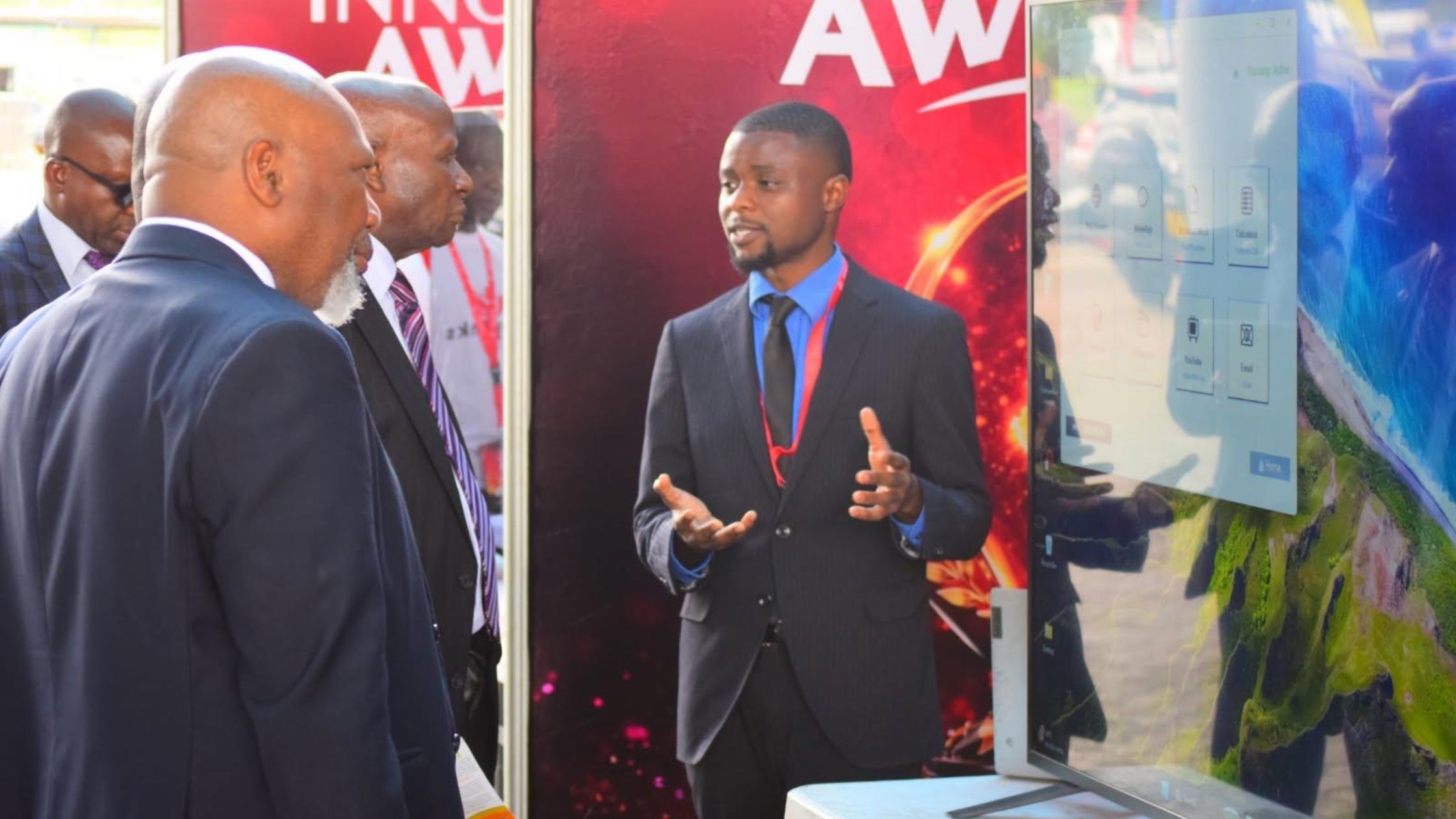
The project began as his final-year work at the National College of Information Technology. After graduation, he took it to UniPod Malawi, a hub at the Malawi University of Business and Applied Sciences in Blantyre. UNDP’s profile of Liwonde says UNDP and the pan-African timbuktoo initiative fund UniPod. It gave him mentorship, workspace and free internet.
The commands are in English for now. Liwonde plans to add Chichewa. He hopes to place the tool in rehabilitation centres within two to five years. His own words state the problem well: “Imagine having a brilliant mind but not being able to hold a pen,” he says.
The award itself carries weight. The Malawi Communications Regulatory Authority chose 20 innovators from 226 entries in its first National ICT Awards. A social impact prize for inclusive design shows that regulators are starting to notice disability.
Why Eye-Control Assistive Technology Matters for Motor Disability in Malawi
Malawi’s 2018 census counted 1,734,250 people with disabilities, about 11.6 percent of the population. Not all of them have motor impairments. Those who do face a steep climb. A computer expects a keyboard and a mouse. Without them, online classes, job applications and remote work stay out of reach.
The education gap is already wide. The Washington Group’s analysis of the same census found 9.5 percent of adults without disabilities held a high school level qualification. The figure for adults with disabilities was 1.2 percent. Survey methods differ and totals vary. The gap is stark either way.
Price is the first wall. One university guide to a leading commercial gaze system puts costs between $4,000 and $23,000, depending on the model. Few Malawian families or rehabilitation centres can find that money. A webcam tool removes the hardware bill. That is the real promise here.
Similar Eye-Control Assistive Technology Elsewhere
Liwonde is not the first to chase a low-cost route. In 2013, the University of the Free State in South Africa became the first African maker of eye-tracking devices. Imported units then cost around half a million rand. The team leader later said the software was the costly part of imported products.
Researchers elsewhere reached similar ideas. A team at Otago Polytechnic in New Zealand built free gaze software. It pairs with a tracker costing around $200, against commercial packages that often start above $3,000. A San José State student project built a camera-based gaze tracker for people with cerebral palsy, tremors and arthritis. A Brazilian thesis used 3D printing to make a low-cost eye-tracking frame. It tested the frame with 16 people, eight of them with motor impairments.
These examples share a pattern. Prototypes are easy to find. Products that stay in daily use are rare. Cost falls, but support, training and trust must follow.
I also need to be direct about one gap. I found no published accuracy tests or user trials for Liwonde’s system. Webcam tracking is usually less steady than dedicated infrared hardware. Poor light, head movement and tired eyes all cause errors. Trials with real users would answer these questions and strengthen his case with funders.
Hurdles Facing Eye-Control Assistive Technology in Malawi
Policy Gaps That Block Eye-Control Assistive Technology

Malawi has good laws on paper. The Persons with Disabilities Act of 2024 and the National Disability Policy of 2025 both name assistive technology as a priority. Import duties and domestic taxes on assistive products are gone. A June 2026 symposium by FEDOMA and the University of Malawi’s Disability Rights Clinic praised those steps.
It also named four weaknesses. The law does not clearly protect a person’s right to choose a device. No accessibility standards guide public buying of assistive technology. Assistive technology sits outside primary healthcare. The country has no measurable targets for its policies.
My own research shows the same split. In a Weekend Nation interview summarised by the campaign team, I noted that 73 percent of stakeholders I surveyed flagged a gap between policy and practice. A software tool like Liwonde’s falls between health, education and digital policy. Nobody owns it yet.
Infrastructure Limits on Eye-Control Assistive Technology
The software runs offline, which helps in a country where internet access can be limited. It still needs a working computer. It needs steady power, a stable seat and a camera at the right angle. A laptop costs far more than the software. Rural users face the longest road. After Cyclone Freddy in 2023, many people lost devices and could not replace them.
Funding Barriers for Eye-Control Assistive Technology
The disability sector gets less than one percent of Malawi’s national budget. Parliament lifted the Disability Trust Fund from K500 million to K2 billion this year. That is welcome. I argued that K10 billion is a more realistic starting point.
Donors tend to pay for purchases because wheelchairs handed out make a clean statistic. Repairs, training and follow-up get less money. Five of the six mobility device users in my study received no training at all. Software faces the same risk. A prize pays for a prototype. It does not pay for updates, language packs and a help desk.
Backing Eye-Control Assistive Technology: Lessons From My Doctoral Research
My thesis, Investigating Assistive Technology Ecosystems in Southern Africa: Lessons from Malawi, studied mobility products, skincare for people with albinism and digital tools. The thesis summary on the AT Innovation Wiki explains the full model. It has five parts: a cultural foundation, frugal innovation, community organising, work at several levels and shared value creation.
The research also found that ecosystems can work under tight limits. They rely on three habits. One organisation plays several roles. Relationships replace formal rules. Many actors share the innovation work.
Liwonde’s story fits this pattern. UniPod acts as mentor, workspace and internet provider in one. That is useful, yet one anchor is fragile. The system needs more partners around it. Rehabilitation centres can test it. Disability organisations can give user feedback. Schools can run pilots. Universities can measure results.
The thesis offers four practical proposals. Malawi should create a national coordination unit for assistive technology. It should adopt a standard rapid assessment tool. It should set up an innovation fund for local production. It should also invest in rural digital infrastructure. These build on the 2024 Act and the National Digitalisation Policy.
Applied to eye-control tools, I would add five moves. Test the system with users early and publish the results. Set aside at least 30 percent of any funding for training and support after delivery. Train health surveillance assistants to help with set-up and referrals. Place technical support in district hospitals. Build Chichewa first, then other local languages. Publishing the code under an open licence would also let local developers keep it alive. That last point is my suggestion, not Liwonde’s stated plan.
My earlier analysis of the 5Ps framework explains why a good product still fails when provision, professionals or policy lag behind. The lesson holds here. A strong product needs a working system around it.
Linking Eye-Control Assistive Technology to SAFOD and ATscale Advocacy
The advocacy case is already built. ATscale aims to reach 500 million more people with assistive technology by 2030. More than 2.5 billion people need at least one product. In some low-income countries, as few as 3 percent can get what they need.
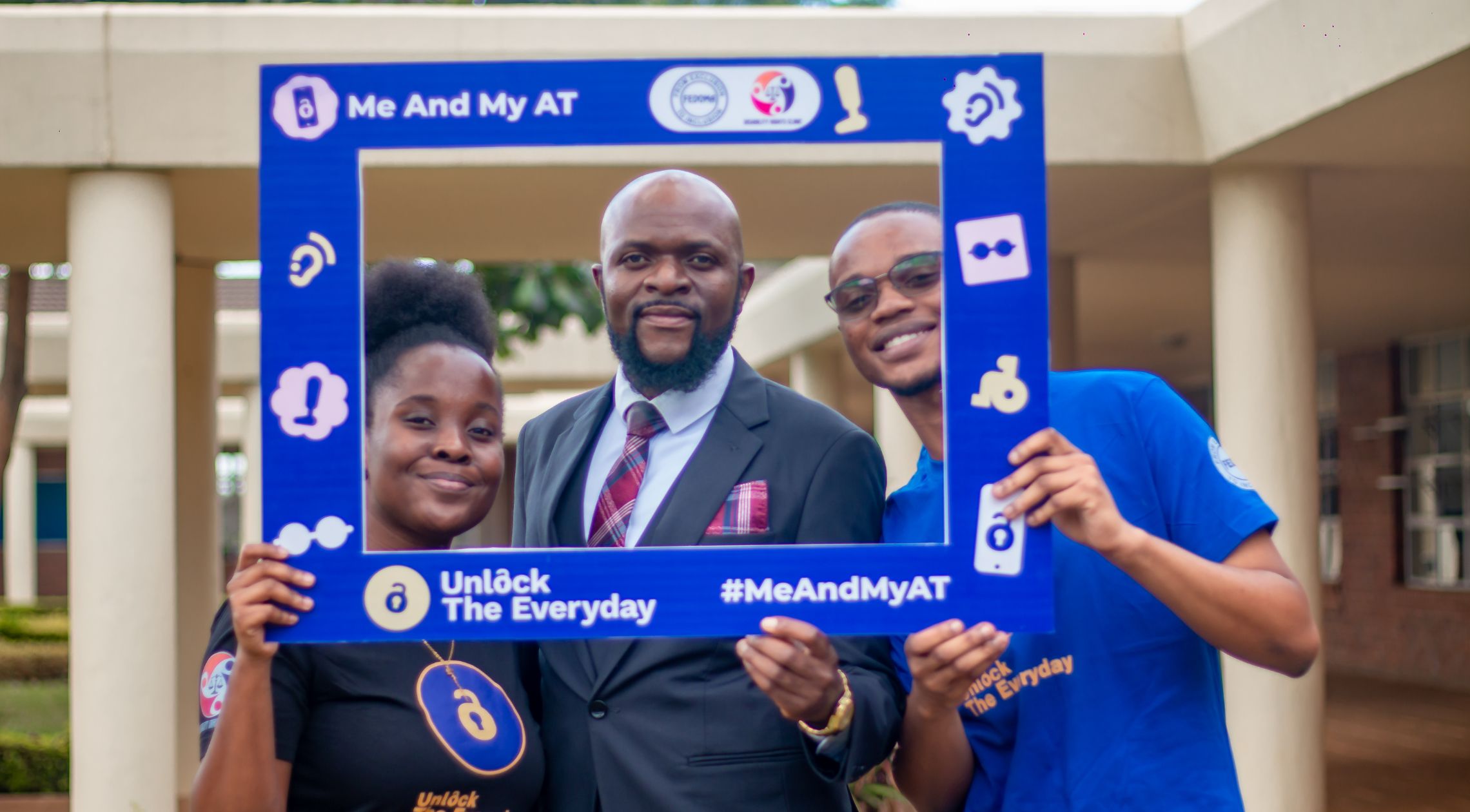
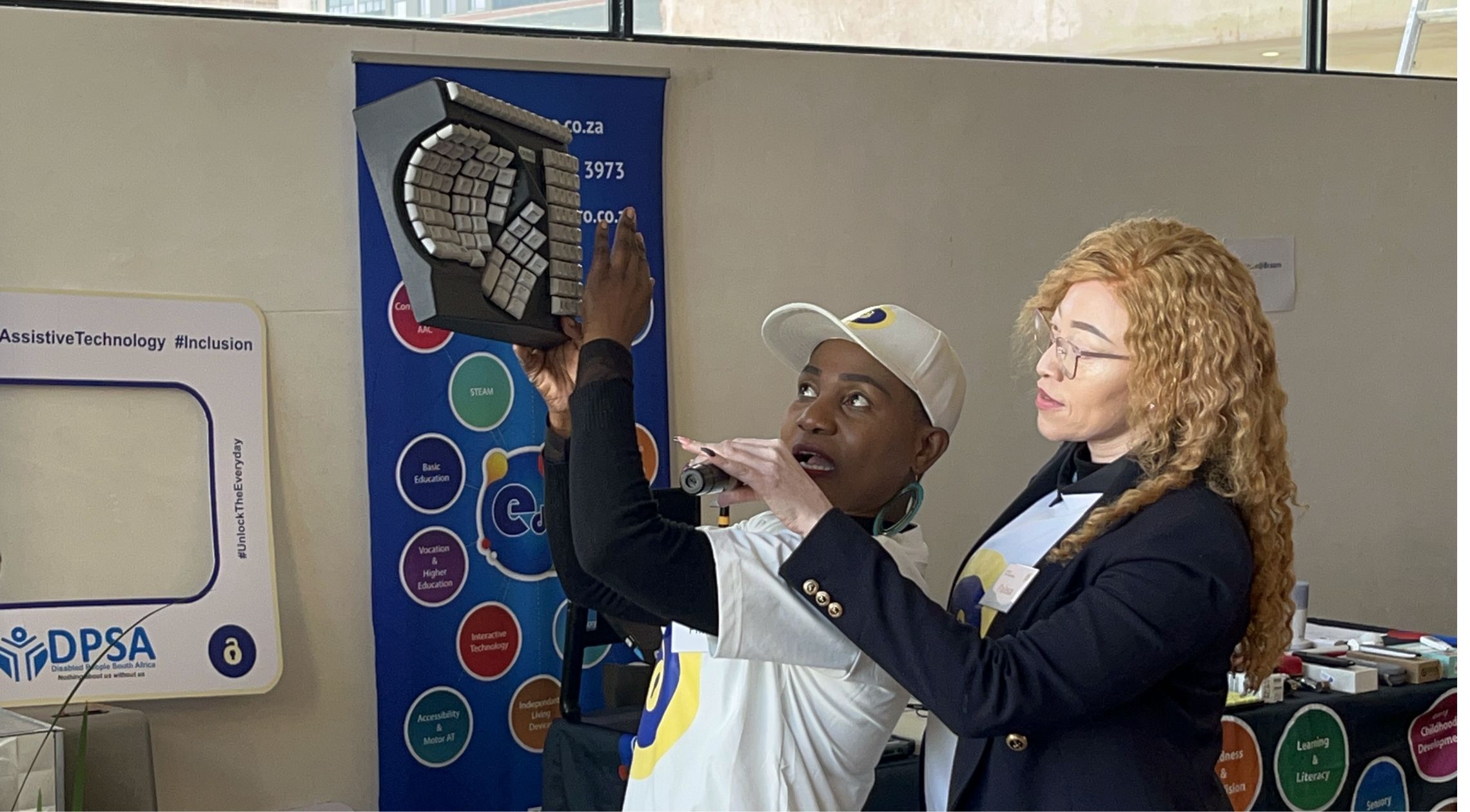
ATscale calls Unlock the Everyday the first global campaign on assistive technology. The annual awareness day falls on 4 June. In Southern Africa, SAFOD runs the #UnlockTheEveryday campaign with more than ten organisations of persons with disabilities across eight countries. ATscale funds it. The campaign cites a $700 billion funding gap over 55 years. Its Malawi output, led by FEDOMA, turns a national dialogue into an action plan. My earlier report on SAFOD’s gains and gaps covers the wider picture.
The global policy mood is shifting too. On 2 September 2026, the UN General Assembly adopted resolution A/RES/80/110 by consensus. It urges states to build national strategies and priority assistive products lists. It also backs research, efficient homegrown innovation and the real participation of users. My analysis of the UN resolution records ATscale chief Pascal Bijleveld calling assistive technology “not a luxury; it is a right and an economic necessity.”
Here is where Liwonde’s work connects. Malawi can add locally built, low-cost software to its priority products list. The state can fund pilots in rehabilitation centres. Disability organisations can bring users into the testing. Advocates can use his story to show that homegrown fixes exist. The resolution asks for exactly this kind of work.
What Comes Next for Eye-Control Assistive Technology in Africa
Liwonde has shown that a student project can reach a national stage. Three steps now matter most. He needs user trials and public results. He needs funding that lasts beyond the prize. He needs a policy home, so health, education and digital agencies each know their part.
Across Africa, the lesson is the same. Local teams can build tools that suit local needs and budgets. The ecosystem around them decides whether they last. Backing users, trainers and repairers matters as much as backing the coder.
If you are building, funding or testing assistive technology, explore the Global Database and share your work. Read why the AT Innovation Wiki exists to see how you can help. For another view of AI in assistive care, see our piece on prosthetic access in Africa.